
Sacred Land of the East
Where the divine breathes through stone, river, and song — a timeless journey into the spiritual soul of India's eastern coast.
" Srimanta Sankardeva said the Lord is for all — but Odisha showed the world that Jagannath belongs to every human soul, beyond caste, creed, and country. "
Sacred Architecture
The Kalinga style of temple architecture — with its towering curvilinear shikhara and intricate carvings — is a living scripture in stone, a testament to centuries of devotion.
Lord Jagannath · Lord of the Universe
Rising 65 metres above the sacred city of Puri, the 12th-century Jagannath Temple is one of India's holiest shrines. Lord Jagannath — the universalist form of Vishnu — is worshipped here alongside Balabhadra and Subhadra. The temple's famous Rath Yatra draws millions and inspired the English word "juggernaut."
Lord Harihara · Shiva-Vishnu synthesis
The crowning glory of Bhubaneswar's "Temple City" heritage. Built in the 11th century, Lingaraj features a magnificent 55-metre shikhara. Uniquely, the presiding deity Harihara unifies Shiva and Vishnu, embodying Odisha's syncretic spiritual ethos.
Surya · The Sun God
Designed as a colossal chariot with 24 intricately carved wheels pulled by seven horses, this 13th-century marvel is dedicated to Surya and is a UNESCO World Heritage Site. The Black Pagoda of Konark represents the peak of Kalinga architectural genius.
Lord Shiva
Called the "gem of Odishan architecture," this 10th-century jewel is celebrated for its exquisite torana (arched gateway) and stunning sculptures. Its compact perfection influenced all later Odishan temple design.
Maa Tara & Tarini
Perched atop Kumari hills overlooking the Rushikulya River in Ganjam, this is one of Odisha's most powerful Shakti Peethas — and among the 51 Shakti Peethas of India. The twin goddesses Tara and Tarini are worshipped by millions, especially during Chaitra Parva.
Maa Samaleswari · Patron of Western Odisha
The presiding deity of Sambalpur and the cultural soul of western Odisha, Maa Samaleswari is a powerful Shakti manifestation. The annual Nuakhai festival — when the new harvest is first offered to the goddess — is the region's most celebrated event.
Living Philosophy
Odisha is a confluence of Vaishnavism, Shaivism, Shaktism, Tantra, and tribal wisdom — a living laboratory of India's pluralistic spiritual genius.
The 15th–16th century Panchasakha ("Five Friends") saints — Achyutananda, Ananta Das, Jagannath Das, Balarama Das, and Yasovanta Das — sparked a revolutionary bhakti movement rooted in equality, compassion, and devotion to Jagannath beyond caste barriers. Jayadeva's Gita Govinda (12th c.) is the supreme lyrical expression of Vaishnava love-mysticism.
Bhubaneswar, the "Temple City," was historically a great Shaiva center. The Pashupata sect flourished here, leaving behind the extraordinary temple complexes of Lingaraj, Mukteswar, and Rajarani. Harihara worship — unique to Odisha — blended Shiva and Vishnu into one supreme being.
Odisha is home to five Shakti Peethas and a powerful Tantric tradition. The 64 Yoginis temples of Hirapur and Ranipur-Jharial are extraordinary circular shrines housing fierce yogini sculptures — rare survivals of esoteric goddess worship. The Devi traditions here are among India's most ancient and powerful.
Founded in 19th-century Odisha by Mahima Gosain (Mahima Swami), this reformist movement rejected idol worship, caste discrimination, and Brahminical authority, preaching a formless Supreme Being called Alekha. The blind poet-saint Bhima Bhoi composed sublime devotional poetry in Odia for this tradition.
Odisha's 62 tribal communities — including the Dongria Kondh, Saura, Bonda, and Gadaba peoples — maintain living connections to nature spirits, ancestor worship, and animistic cosmologies. The Saura tribe's remarkable Ittalan paintings (ritual wall murals) are among India's most vibrant indigenous spiritual art forms.
Solar worship has deep roots in Odisha — the Konark Sun Temple is its grandest expression. The Magi (sun-priest) community maintained solar rituals for centuries. The ancient Prachi valley along the Prachi River shelters dozens of Surya temples, forming a sacred solar corridor from the sea to the hills.
Spiritual Luminaries
For centuries, Odisha has been graced by enlightened souls whose wisdom continues to illuminate the path for seekers everywhere.
Author of the immortal Gita Govinda — a sublime poem celebrating the divine love of Radha and Krishna. Born in Kenduli (Odisha/Bengal border), Jayadeva's work revolutionized Vaishnava devotion across all of South Asia and became the liturgical text of Jagannath worship.
"O Kesava! O Lord of the universe! O Lord Hari, who have assumed the form of a fish! All glories to You!" — Dashavatar Stotra
Revered as the "Adi Kavi" (first great poet) of Odia literature, Sarala Das composed the Odia Mahabharata at the command of Maa Sarala Devi. His work democratized spiritual knowledge by bringing epic narratives into the vernacular language of the common people of Odisha.
"The goddess placed her pen in my hand; what flows is her grace, not my talent."
The most prolific of the Panchasakha saints, Achyutananda wrote hundreds of devotional poems, philosophical treatises, and the prophetic Malika texts predicting Odisha's future. A fierce advocate of social equality, he proclaimed that the divine resides in all beings regardless of birth.
"Nirguna Brahma is the truth; all else is illusion dressed in beauty."
The blind mystic poet of the Mahima Dharma tradition, Bhima Bhoi composed breathtaking verses in Odia expressing surrender to the formless Absolute. Born into the tribal Kondh community, he transcended his blindness to see the divine with inner sight. His Stutichintamani remains a spiritual masterpiece.
"Mo jeevana pache narke padithau, Jagata uddhara heu." (Let me fall to hell, if the world be saved.)
Author of the Odia Bhagavata — the complete translation of the Bhagavata Purana into Odia — Jagannath Das made the highest spiritual knowledge accessible to ordinary Odia-speaking people. He is considered the greatest Vaishnava poet of Odisha and one of the Panchasakha saints.
"Atma jnana bina mukti nahi pae" — Without self-knowledge, liberation cannot be attained.
Known as Utkalmani ("Jewel of Odisha"), Gopabandhu Das was both a spiritual leader and social reformer. A devout Vaishnava, he dedicated his life to serving the poor, founding the Satyabadi School and serving communities during the devastating 1866 famine. He embodied karma yoga in its truest form.
"My religion is service to the people of Odisha."
Sacred Calendar
Odisha's festivals are not mere events — they are living rituals that weave the community into the cosmic order, marking the seasons with devotion and joy.
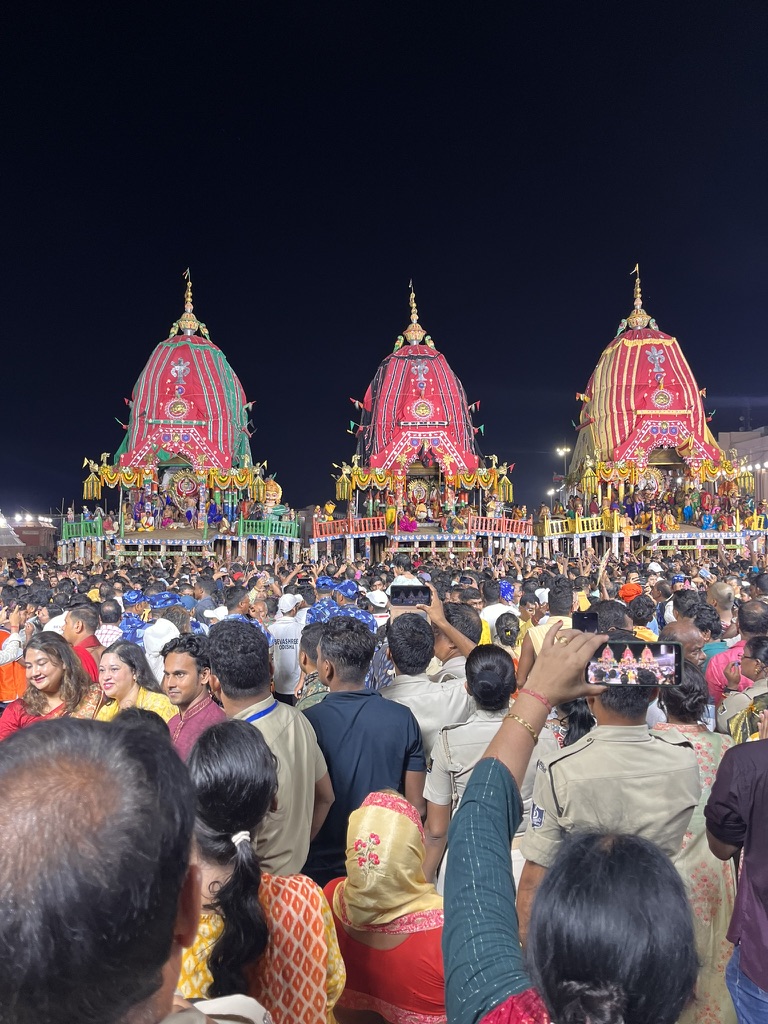
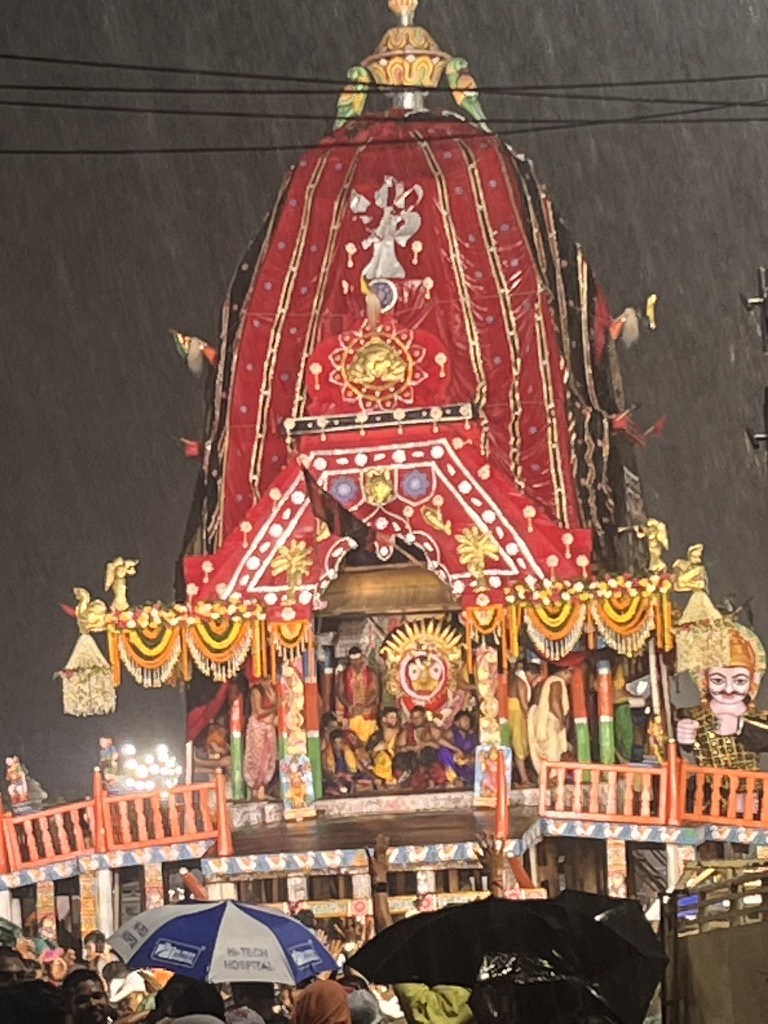
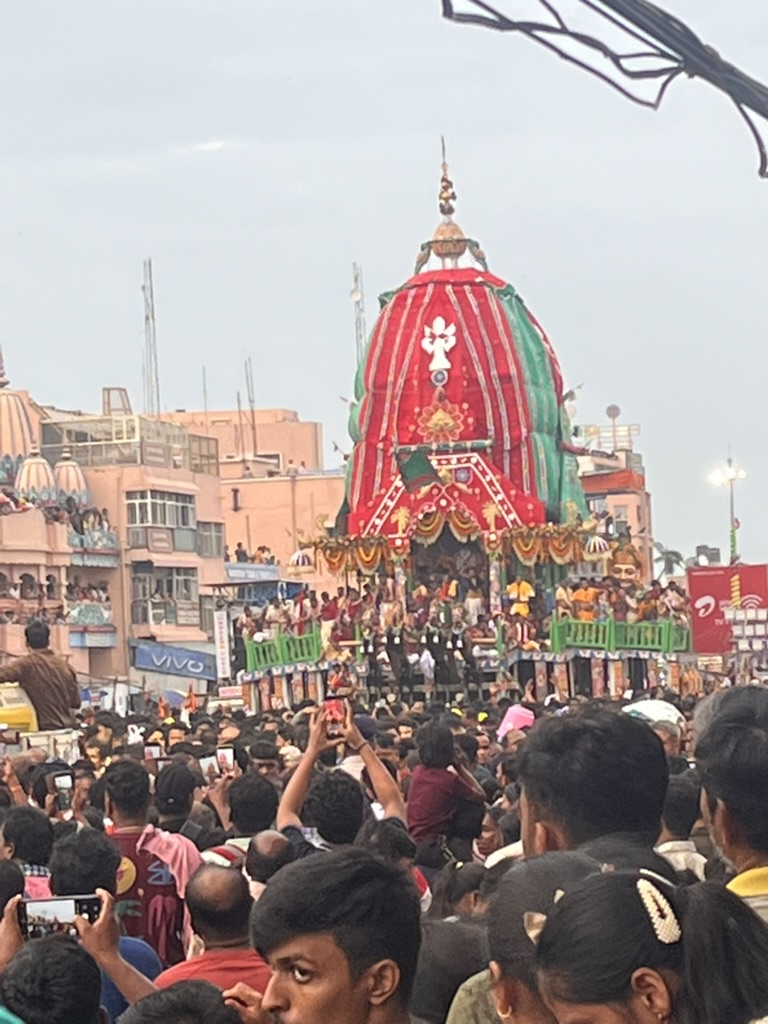
The world's largest chariot procession, held in Puri since at least the 12th century. Three massive wooden chariots — Nandighosa (Jagannath), Taladhwaja (Balabhadra), and Darpadalana (Subhadra) — are pulled by lakhs of devotees along the 3-km Grand Road (Bada Danda). The English word "juggernaut" derives from this festival.
Held against the magnificent backdrop of the Konark Sun Temple, this five-day classical dance festival celebrates India's greatest dance traditions — Odissi, Bharatanatyam, Kathak, Manipuri, and Kuchipuri. The temple's elaborate erotic sculptures demonstrate that in Odisha, beauty, art, and the sacred are inseparable.
During the month of Chaitra (March–April), lakhs of devotees undertake barefoot pilgrimage to the Taratarini temple at Kumari Hills. This is one of Odisha's most arduous and emotionally powerful pilgrimages, with devotees walking through the night carrying sacred water from the Rushikulya River.
Celebrated with special fervor at the Lingaraj Temple in Bhubaneswar and at Shiva shrines across Odisha. Thousands of oil lamps illuminate the sacred Bindu Sagar lake, and all-night vigils of chanting and worship honor the night of Shiva. The Chandana Yatra at Lingaraj is a distinctive Odishan observance.
Western Odisha's most important festival, Nuakhai ("new food") marks the harvest season by first offering the new grain to Maa Samaleswari of Sambalpur. Communities gather in joyful feasting, traditional Sambalpuri dance (Dalkhai, Rasarkeli), and the renewal of family bonds. It precedes Dussehra by one day.
On the full moon of Kartik (October–November), Odias launch miniature boats (boita) onto rivers and ponds at dawn, commemorating Odisha's ancient maritime glory when merchants sailed to Southeast Asia carrying culture and commerce. The Bali Yatra festival at Cuttack on the Mahanadi is Asia's largest open-air trade fair.
Sacred Journeys
Odisha's own sacred circuit mirrors the pan-Indian Char Dham. The four shrines are: Jagannath Puri (east), Biraja Temple, Jajpur (north), Bimala Temple, Puri (south), and Lokanath Temple, Puri (west). Completing this circuit is believed to grant spiritual liberation.
The five sacred sites in and around Puri: Jagannath Temple, Gundicha Temple, Markandeshwara Tirtha, Indradyumna Kunda, and Swargadwar (the cremation ground by the sea). These form a complete spiritual circuit in the holy city.
Five major Shakti Peethas of Odisha: Taratarini (Ganjam), Maa Samaleswari (Sambalpur), Maa Bhagabati Sarala (Jagatsinghpur), Maa Biraja (Jajpur), and Maa Mangala (Kakatpur). A circuit of the divine feminine power of Odisha.
The Prachi River valley between Bhubaneswar and Konark shelters 100+ ancient temples, mostly dedicated to Surya, Vishnu, and the goddess. A treasure-trove of Kalinga architecture less visited than the main sites — offering an authentic pilgrimage experience.
Following the footsteps of the five saint-poets of the Panchasakha movement: visiting Kakatpur (Achyutananda), Kendrapara (Balarama Das), Puri (Jagannath Das), Nemala (Ananta Das), and Jajapur (Yasovanta Das). A literary pilgrimage through Odisha's spiritual golden age.
The sacred sites of Mahima Dharma: Joranda (main math), Dhenkanal (where Mahima Swami attained mahanirvana), and the cave at Kapilash. Bhima Bhoi's birth village Khaliapali is also visited. A deeply moving pilgrimage to Odisha's 19th-century reform tradition.
Living Traditions
In Odisha, art has always been an act of worship. From ancient temple carvings to village wall paintings, the divine is expressed through every form of creativity.
Ancient scroll paintings on cloth (patta) using natural pigments and bold outlines, depicting scenes from Jagannath mythology, Gita Govinda, and Ramayana. The artists — called Chitrakars — are hereditary craftspeople serving the Jagannath Temple. UNESCO-recognized as Intangible Cultural Heritage.
Raghurajpur, Puri DistrictOne of India's oldest classical dance forms, traced to the devadasi (maharis) and gotipua traditions of Jagannath Temple. With its lyrical tribhanga posture (three-body curve) and expressive abhinaya (narrative gestures), Odissi embodies the poetry of Jayadeva's Gita Govinda in movement.
Puri · BhubaneswarThe Saura tribe of Gajapati district creates extraordinary ritual murals called Ittalan — painted on earthen walls during festivals and rites of passage. These geometric, symbolic paintings depict nature spirits (Ittals), ancestors, and cosmic forces in a visual language unique to this ancient community.
Gajapati DistrictThe Sambalpuri and Bomkai silk traditions of western Odisha feature sacred motifs — the shankha (conch), chakra (wheel), phula (flower), and pasapali (chess) — woven using the resist-dyeing ikat technique. Worn at religious ceremonies and temples, these textiles are prayers made fabric. GI-certified as a heritage craft.
Sambalpur · Sonepur · BargarhYoung boys dressed as girls perform devotional acrobatics and classical poses as offerings to Lord Jagannath. This ancient tradition predates Odissi dance and shares its grammar of movement. Gotipua boys train from age 6 in the gurukul tradition — it is both performing art and spiritual discipline.
Puri · RaghurajpurOdisha's Sutradhara and Maharana communities have practiced temple stone-carving for 1,500 years. Using traditional iconometric texts (Silpa Shastras), they create sculptures of deities, apsaras, and cosmic scenes with mathematical precision. This living tradition continues today in Puri's craft village of Raghurajpur.
Puri · Bhubaneswar · KonarkInner Journey
Beyond the temples, Odisha offers seekers profound spaces for inner practice — from ancient forest hermitages to modern retreat centers.
Atop the Kapilash hill in Dhenkanal district stands the ancient Chandrasekhar Shiva temple, surrounded by dense forest. The hilltop offers a natural meditation environment used by sadhus and seekers for centuries. The annual Shivaratri festival draws thousands.
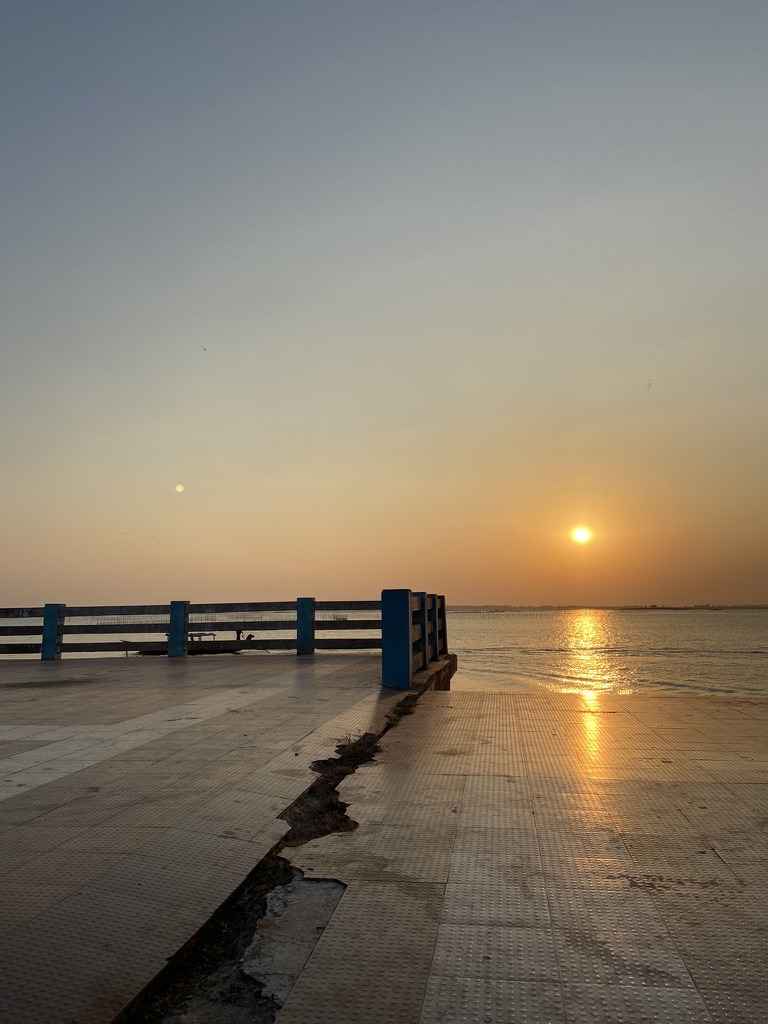
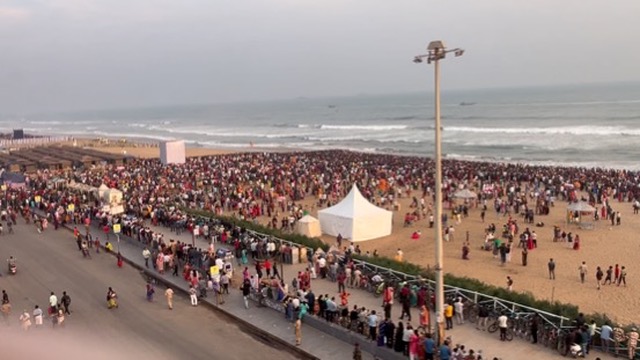
📍 Dhenkanal DistrictThe sacred city of Puri offers numerous ashrams and dharmashalas offering spiritual retreats. The energy of the Jagannath Temple permeates the entire city. Sunrise meditation on the Puri sea beach — where the holy Swargadwar (cremation ground) meets the Bay of Bengal — is a transformative experience.
📍 Puri, OdishaThe mythologically significant Mahendragiri hills in Gajapati district are associated with the sage Parashuram. The forested mountain is dotted with ancient shrines and hermitage sites, and continues to attract sadhus, meditators, and pilgrims seeking solitude and grace.
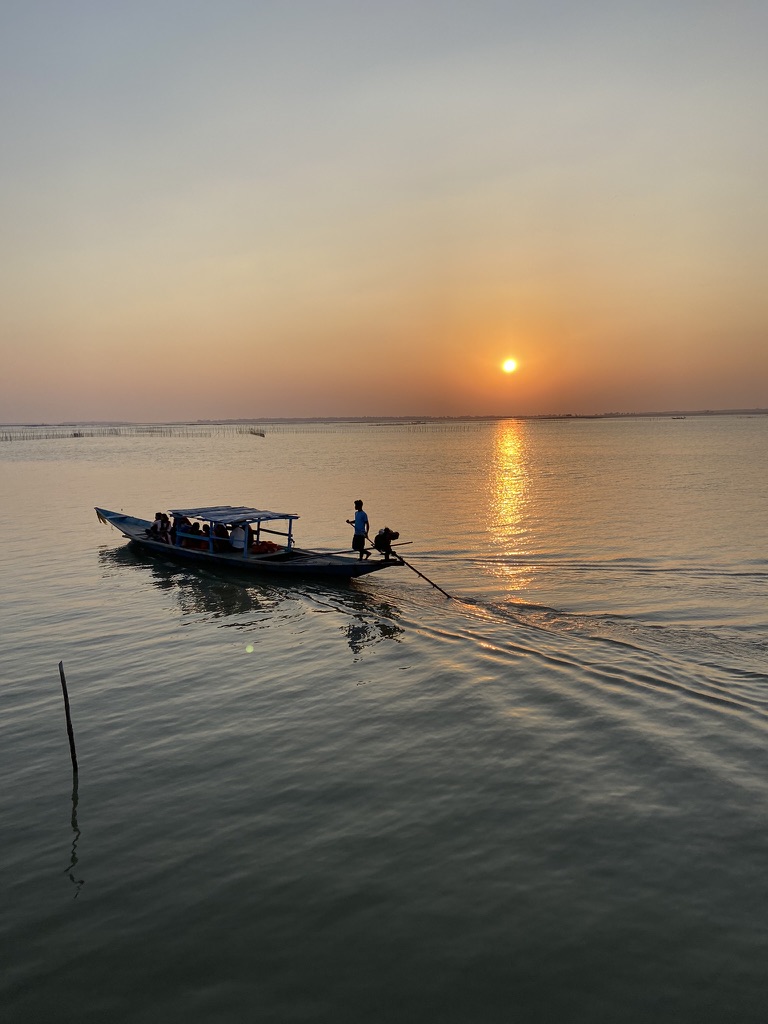
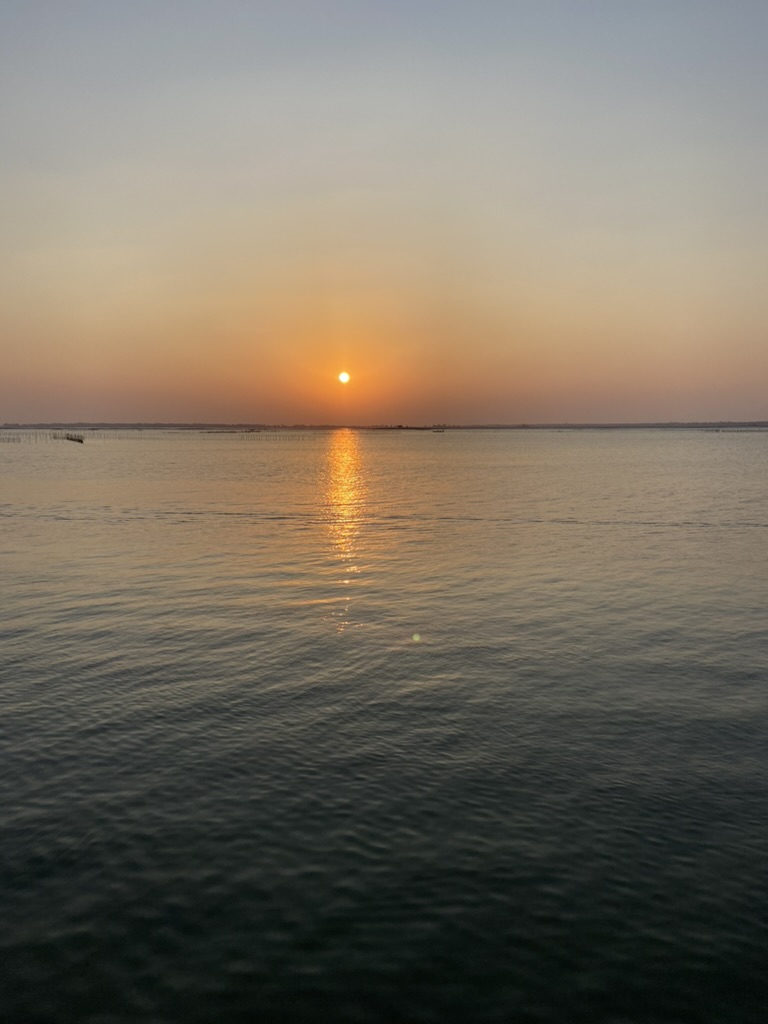
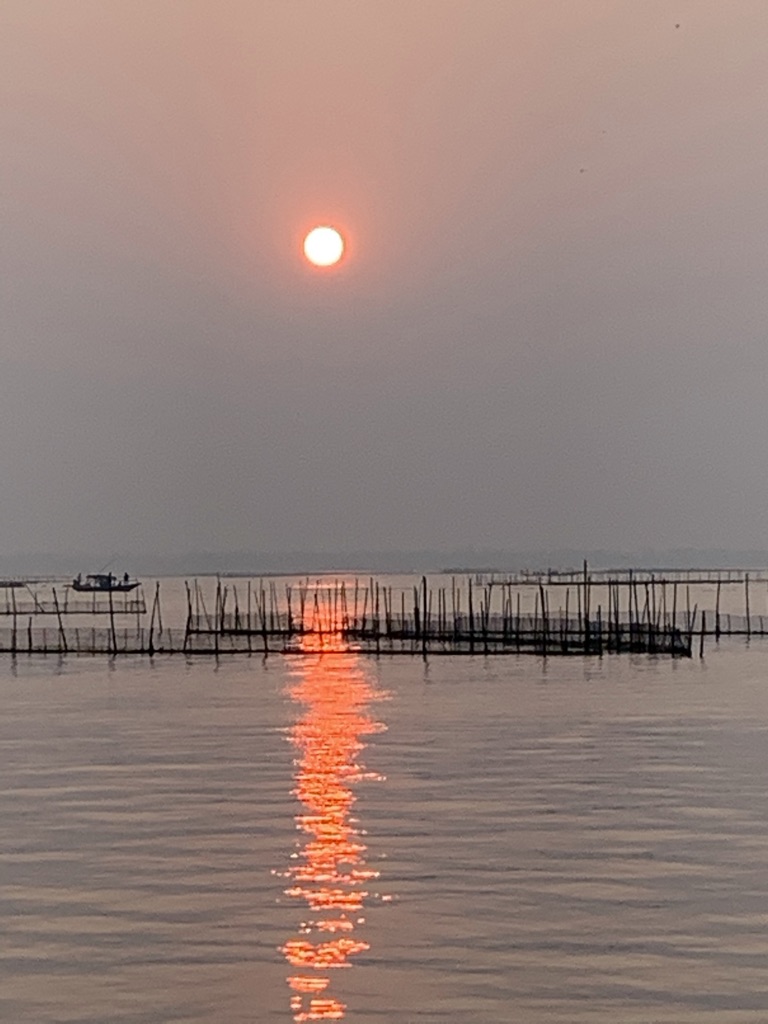
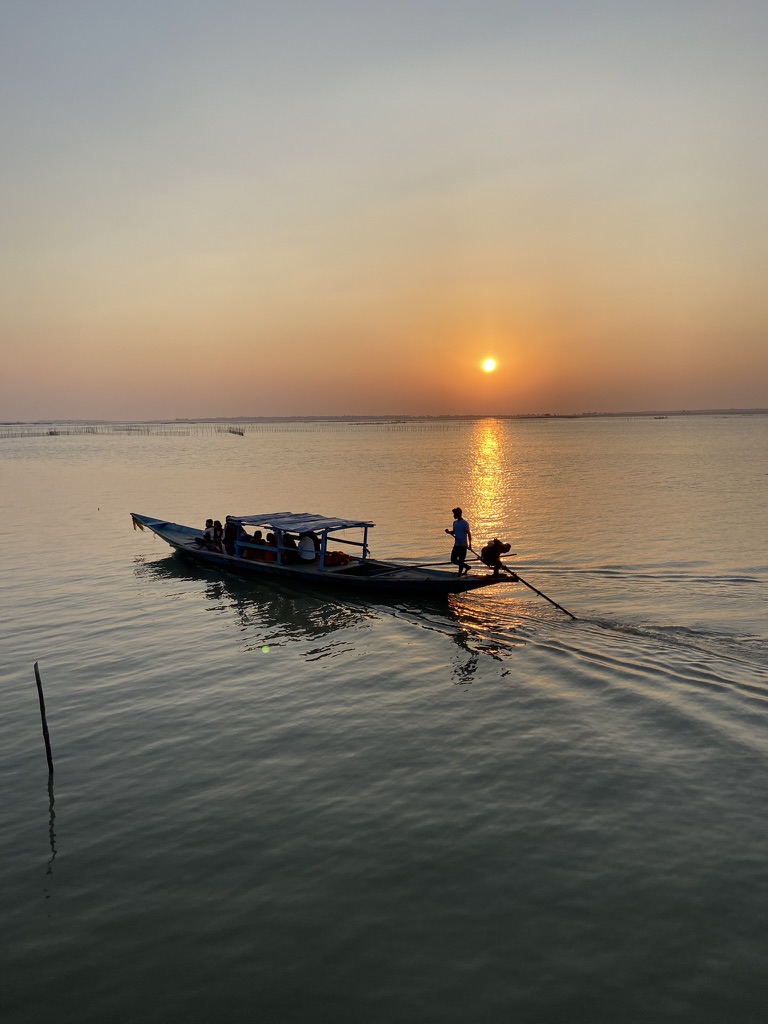
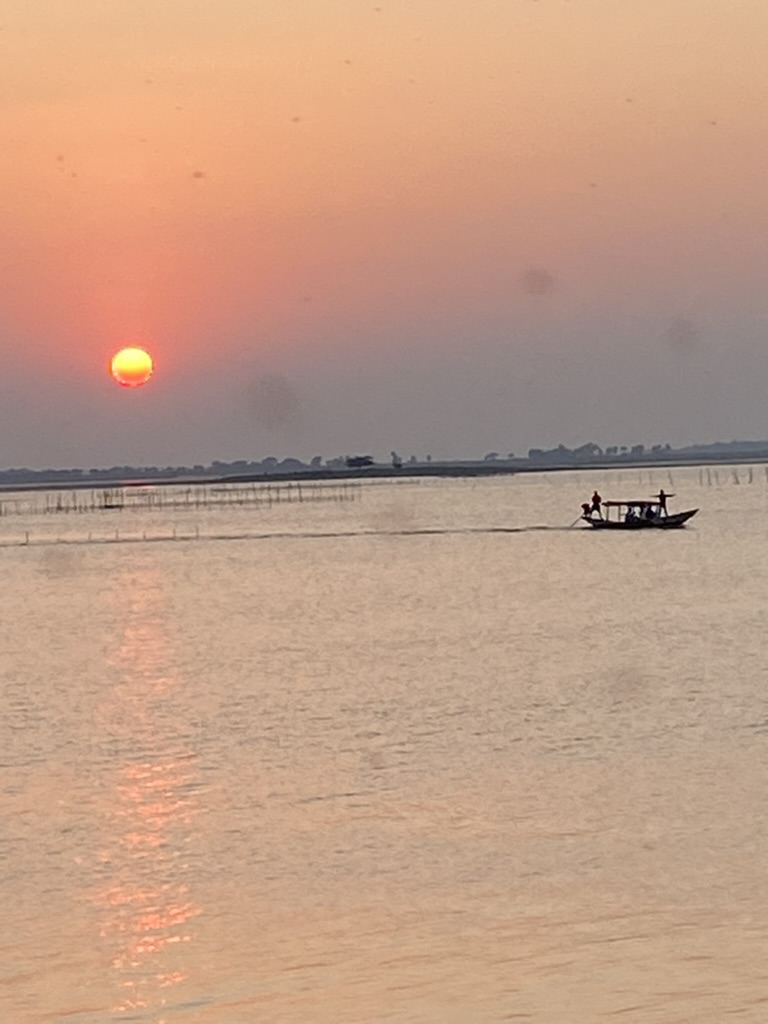
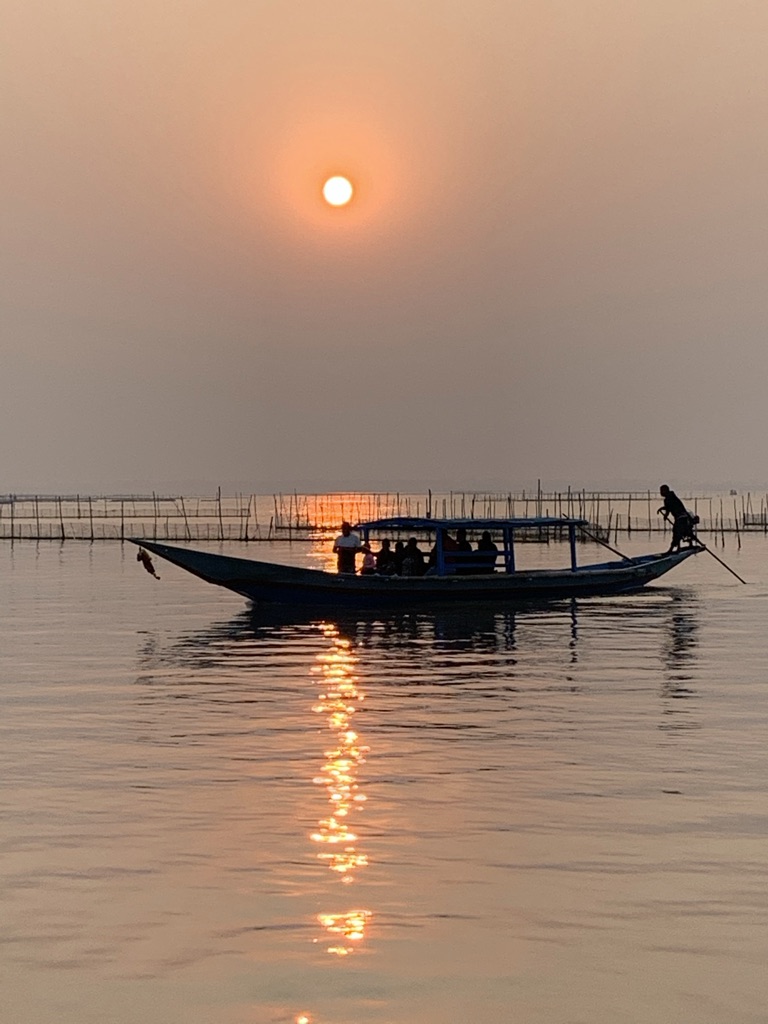
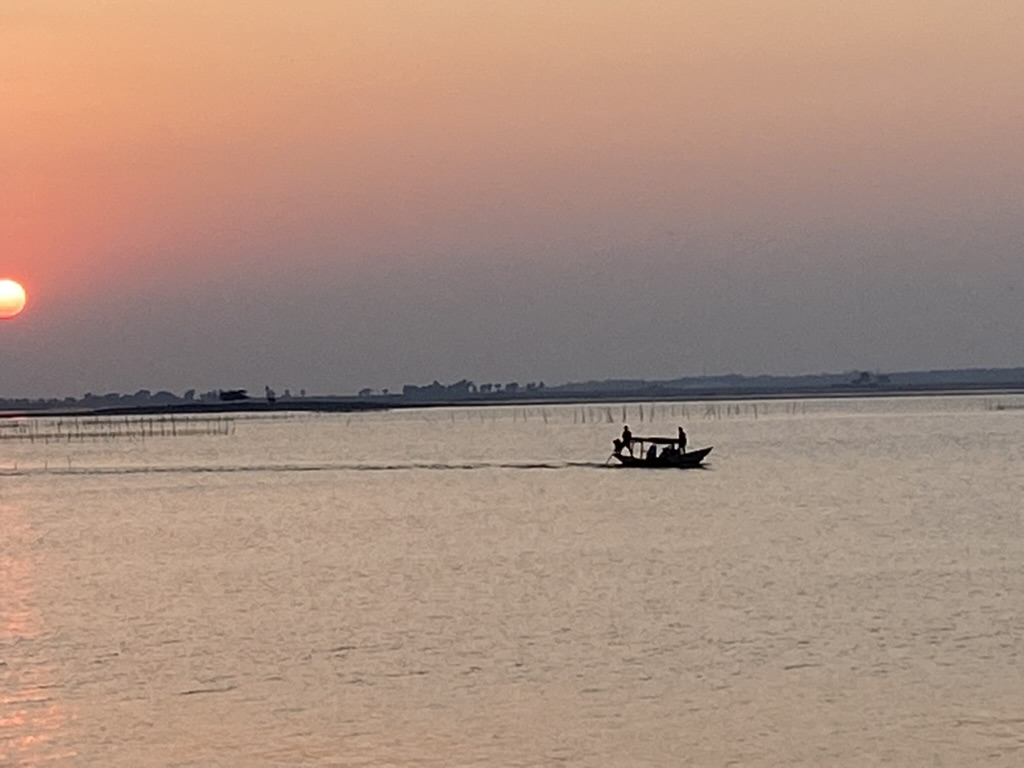
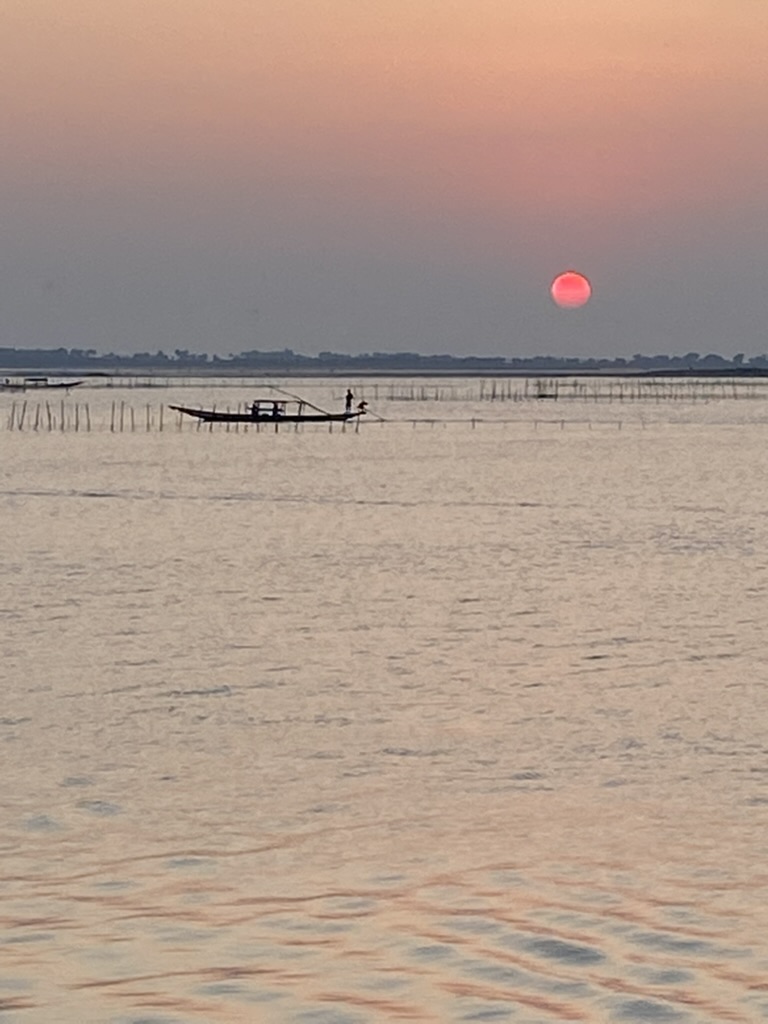
📍 Gajapati DistrictAsia's largest brackish water lake, Chilika shelters the sacred Kalijai Island temple. The vast, serene waters, the flight of migratory birds, and the play of light at dawn create a natural mandala for contemplation. Boat retreats on Chilika offer a rare meditative experience in nature.
📍 Khurda · Puri · GanjamMany of Odisha's major temples maintain dharmashalas (pilgrimage hostels) where seekers can stay, participate in daily puja rituals (aarti at dawn and dusk), attend religious discourses, and absorb the devotional atmosphere. The Jagannath Temple trust maintains extensive facilities in Puri.
📍 Puri · Bhubaneswar · SambalpurA growing number of centers across Odisha offer study of the Panchasakha philosophy — combining scripture reading (Odia Bhagavata, Achyutananda's Malika), bhajan singing, and contemplative practice. These centers keep the democratic, caste-free bhakti tradition alive.
📍 Across Odisha"Mo jeevana pache narke padithau,
Jagata uddhara heu."
"Let me fall into the depths of hell, if the world thereby be redeemed."
— Bhima Bhoi, blind mystic poet of Mahima Dharma (1850–1895)